Starting a Company, MacroPulse
It’s been over a year since I wrote the twenty-five things I’d tell myself ten years ago. Since then I’ve launched MacroPulse, adopted two kittens, moved to London and buzzed off all my hair. This post serves as a reflection of the start of my journey building my company, MacroPulse.
What is MacroPulse?
Before I talk about how I built it, let’s start with what I built. MacroPulse is a low-latency economic data feed and auto-execution program built to trade macroeconomic releases. I get the data directly from the source, and in most cases I’m scraping faster than Bloomberg and Reuters themselves. Low-latency macroeconomic feeds are often gatekept by hefty prices and sold as a B2B product only. With both a modern, cross-platform desktop app and an API feed, I’m aiming to target serious retail traders to provide them with hedge-fund speeds at a fair price.

From a technical point of view the edge is really in understanding the architecture behind the data source: all data providers are racing to get the data first. My method simply finds the shortest (of many) roads to the data, whilst driving the fastest car. I’ve spent over a year understanding the “map” of roads and their advantages and disadvantages. Given a lot of events print once a month, it’s an incredibly tough map to build!
Why MacroPulse?
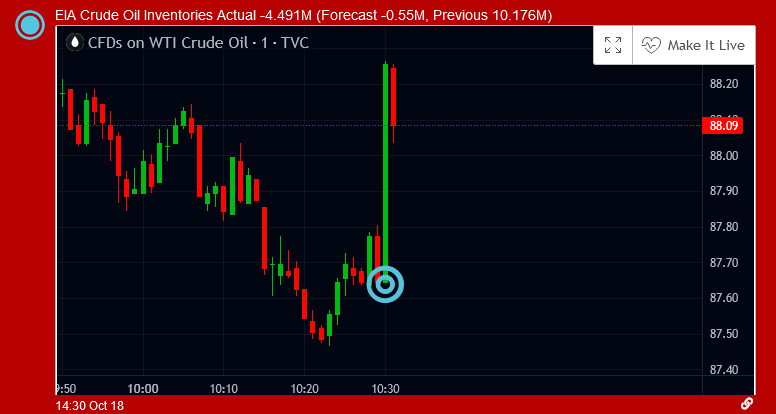
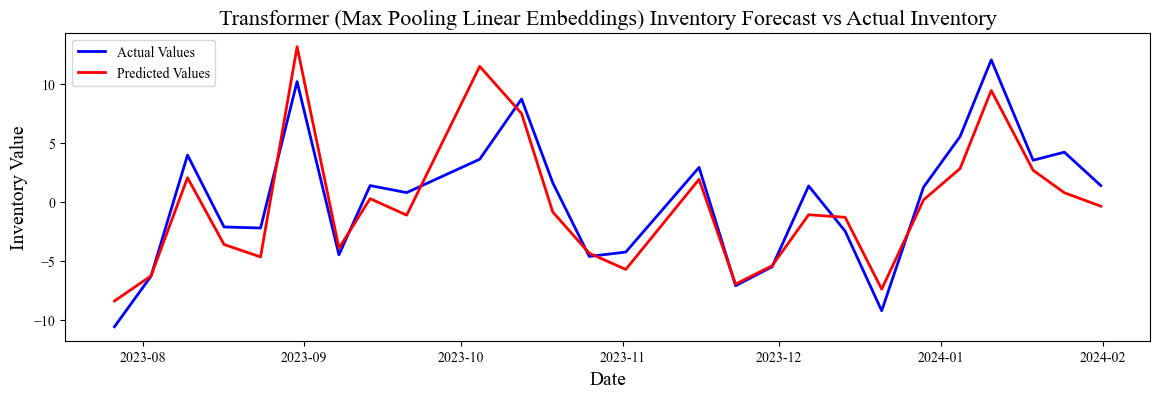
The most common question I get is: how did you come up with MacroPulse? I’d love to tell you that the idea came to me whilst I was having a shower, although it’s not quite that cinematic. I’ve been at the intersection of trading, finance and tech since I started my career in my late teens. I first spent time at shipping data provider Tradeviews, then worked on NLP projects at financial news provider FinancialJuice. My summer research project at university was investigating how words move the markets. My dissertation project aimed to use news headlines as an additional signal to better forecast the macroeconomic EIA crude oil release. MacroPulse is the first of a few ideas bridging financial markets and engineering that I’ve taken off the shelf and made a reality.
The existing solutions for this piece of tech fall into a couple of baskets, institutional and retail. On the institutional side you have AlphaFlash, Bloomberg and Reuters, they’re all decently fast but charge an absurd amount. From a retail point of view there is DataFlash and tradethenews, both of which resell data feeds rather than scraping them from the source, and are therefore slower than MacroPulse. So, the retail market is ripe for the taking, I’ve made a better product at a better price, providing real value and power to retail traders.
Launching & the First Live Release
The advice you’ll usually get is to make a waitlist, so people are waiting for you to release and revenue is guaranteed. I went against the grain and just went for it! Launching the website felt similar to graduating from university, the journey mattered more than the milestone, and the real learning starts now - generating leads, speaking to users, listening to their requests and really homing in on what improvements I can make to the product.
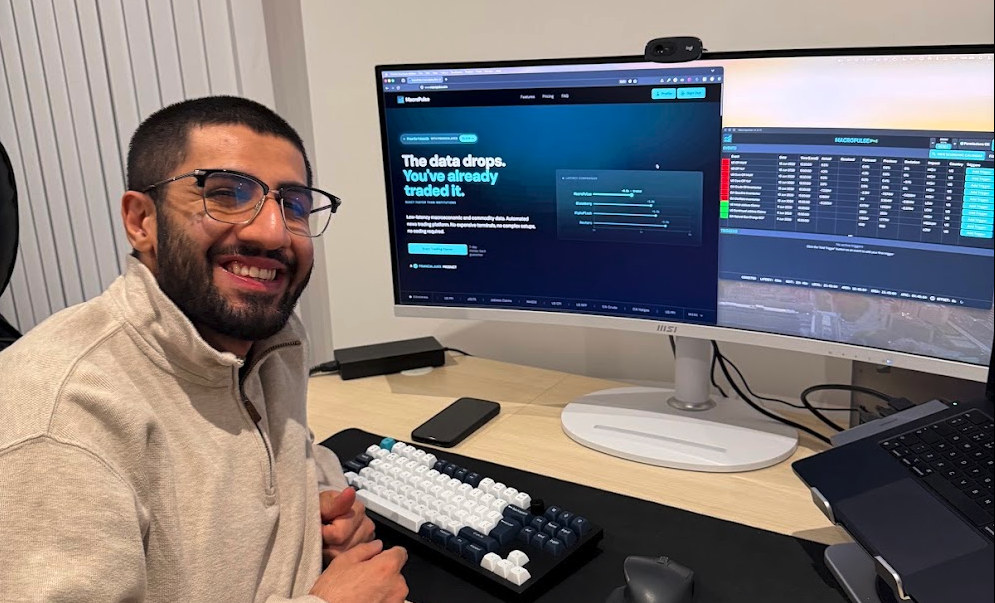
The first live data release went great, or at least I thought. It was the US CPI in June. I made a demo video, set up the triggers, the CPI numbers were scraped on time and came in pretty much in line with the forecasted values, my triggers fired for the correct market move - and then my broker declined my market order due to a market breaker. So from a structural level MacroPulse fed in the data perfectly, but zooming out I now had to research how to tackle the broker problem.
Sacrifice & Reality
Looking at the bigger picture now, one of the most prominent aspects of building a company is sacrifice. Everyone tells you it’ll be tough and you’ll have no time but you don’t properly realise it until you’re in the situation. I had to balance a full-time job, I had to decline many social invitations, I didn’t take a holiday in 2 years. Often you’re labelled as boring or disciplined. I like to think if you enjoy something in life it’s never time wasted. MacroPulse aligned with my goals, I enjoyed it, and the nature of the grind is an unglamorous period of building before you can eat the fruits of your labour.
The second lesson is the reality, which is that no one is owed anything in life. There’s no success recipe to building a company, there’s a vision, some luck, some talent and a lot of self-belief in something that may or may not work. Even the best poker hands can still lose occasionally. Still, I honestly believe that being optimistically delusional will take you further in life than being told no and being risk-averse ever will.
There’s just no such thing as balance if you want to become an entrepreneur. I’ve spoken to many CEOs and Founders and they often repeat two ideas. The first is that life comes in seasons: some weeks will be 100-hour work weeks and other times you’ll spend more time with your family and friends. The second is that you can’t maximise everything in life: sleep, relationships, work, hobbies, fitness - you’ll have to sacrifice some whilst you maximise another.
Challenges
You need grit, a lot of it. You will want to quit a lot. I had multiple weeks where I started to question if I could ever scrape the data faster than the numbers I had already got. I had multiple conversations where people advised me against MacroPulse and said it was too niche, too difficult, too old (news traders still do exist!) or pointless.
A lot of high-importance macroeconomic events such as CPI are released monthly. If you fuck it up once, there is no second chance until next month, so you have to be resourceful about how you carry out tests, and thus you will learn to create the “testing lab” and spend your life there until you get the results you need.
You wear every hat - I’m an engineer by trade, I’m learning growth and product every day as if I’m back in university, on top of a full-time job. Sales is the most important thing at this stage, no matter how talented you are as an engineer, the outcome always has to be income, there’s no VC money to burn so the goal has to be profitability.
Even if you think your product is the best in the world, there is a good chance you’ll be met with silence after the initial launch. If you haven’t figured out the marketing step, now is the time to learn how to distribute and market your product.
Meet the team & Co-founders
I run a small team bootstrapped from my flat - meet the co-founders. Firstly there is Chai the Bengal, secondly there is Sedona the Maine Coon and finally myself.


I decided to embark on this journey myself, not because I thought it was better to not have a co-founder but because I knew I would enjoy the process and put my all into it. Finding a co-founder is incredibly difficult, and hiring is one of the toughest things you’ll ever do running a company, because why would someone else care more about your vision than you? They don’t need to, nor do they have to. Added overheads and responsibilities early on are largely noise, and the goal of any bootstrapped business is revenue. There are no funding rounds for me or unicorn status, just an insane amount of belief.
Because I have full ownership of the project, I love being able to be as hands-on as possible, and this situation allows me to flex my technical knowledge. After all, if you don’t enjoy what you do, how long can you do it for realistically before getting miserable?
Interested in Starting a Company?
As mentioned earlier, there is no blueprint. I have my life philosophies (the twenty-five things) and a dream. If you do want to go down this path and have enough self-delusion, keep validating your product and build something of value.
Building a brand is made up of daily decisions. People overestimate the launch, the campaign and the opening. The result of hundreds of decisions is what really contributes to building anything great.
What’s Next?
Firstly, a quick trip through East Asia to enjoy the fruits of life. I’ll be visiting Hong Kong, Taipei, Shanghai and Beijing to touch a bit of grass. Secondly, scale - MacroPulse proved it has legs, got to keep the ball rolling now and work on sales.
Finally, to the friends who kept sending invitations even when the answer was usually no, and to everyone who gave me their time and advice along the way - thank you. If you think you have the drive to work with me on MacroPulse or projects like this, please contact me, I’m always willing to grab coffee and/or have a chat, virtually or in London.